LIVE
OpenAIOpenAI Report Maps AI's Impact on European Jobs·OpenAIOpenAI Previews GPT-5.6 Sol: Next-Gen Coding and Safety·DeepMindDeepMind gives Gemini 3.5 Flash desktop control·Google AIGoogle Finance exits beta with new Android app·HuggingFaceRun vLLM on HuggingFace Jobs with One Command·HuggingFaceNVIDIA NeMo AutoModel Automates Fine-Tuning, Cuts Time by 40%·OpenAIOpenAI research: AI agents extend work beyond simple tasks·HuggingFaceHuggingFace launches CUGA: lightweight harness for agentic apps·OpenAIOmio Uses OpenAI to Build Conversational Travel Experiences·HuggingFacePP-OCRv6 Arrives on Hugging Face: 50 Languages, Tiny to Medium Models·OpenAISamsung equips 100,000+ employees with ChatGPT Enterprise·OpenAIOpenAI Rolls Out Spend Controls and Analytics for ChatGPT Enterprise·HuggingFaceMosaicLeaks Benchmark Exposes Research Agents' Inability to Keep Secrets·Google AIGoogle's AMIE Medical AI Matches Doctors in Disease Management·HuggingFaceMolmoMotion: Language-Guided 3D Motion Forecasting Hits HuggingFace·DeepMindDeepMind and UK government build AI prototype to speed housing decisions·HuggingFaceHugging Face lets you deploy robot policies from Hub to real hardware·OpenAIOpenAI's Deployment Simulation predicts model behavior before launch·Google AIGoogle invests $1.5B in Alabama data center expansion·OpenAIOpenAI launches Partner Network with $150M investment fund·OpenAIOpenAI Report Maps AI's Impact on European Jobs·OpenAIOpenAI Previews GPT-5.6 Sol: Next-Gen Coding and Safety·DeepMindDeepMind gives Gemini 3.5 Flash desktop control·Google AIGoogle Finance exits beta with new Android app·HuggingFaceRun vLLM on HuggingFace Jobs with One Command·HuggingFaceNVIDIA NeMo AutoModel Automates Fine-Tuning, Cuts Time by 40%·OpenAIOpenAI research: AI agents extend work beyond simple tasks·HuggingFaceHuggingFace launches CUGA: lightweight harness for agentic apps·OpenAIOmio Uses OpenAI to Build Conversational Travel Experiences·HuggingFacePP-OCRv6 Arrives on Hugging Face: 50 Languages, Tiny to Medium Models·OpenAISamsung equips 100,000+ employees with ChatGPT Enterprise·OpenAIOpenAI Rolls Out Spend Controls and Analytics for ChatGPT Enterprise·HuggingFaceMosaicLeaks Benchmark Exposes Research Agents' Inability to Keep Secrets·Google AIGoogle's AMIE Medical AI Matches Doctors in Disease Management·HuggingFaceMolmoMotion: Language-Guided 3D Motion Forecasting Hits HuggingFace·DeepMindDeepMind and UK government build AI prototype to speed housing decisions·HuggingFaceHugging Face lets you deploy robot policies from Hub to real hardware·OpenAIOpenAI's Deployment Simulation predicts model behavior before launch·Google AIGoogle invests $1.5B in Alabama data center expansion·OpenAIOpenAI launches Partner Network with $150M investment fund·
Back
OpenAI Brings Codex to Mobile: Code from Anywhere with ChatGPT App
Product/OpenAI

OpenAI Brings Codex to Mobile: Code from Anywhere with ChatGPT App

O

OpenAI

May 15, 2026

1 MIN

Original source

openai.com — read the full announcement →

Mobile Coding Goes Mainstream

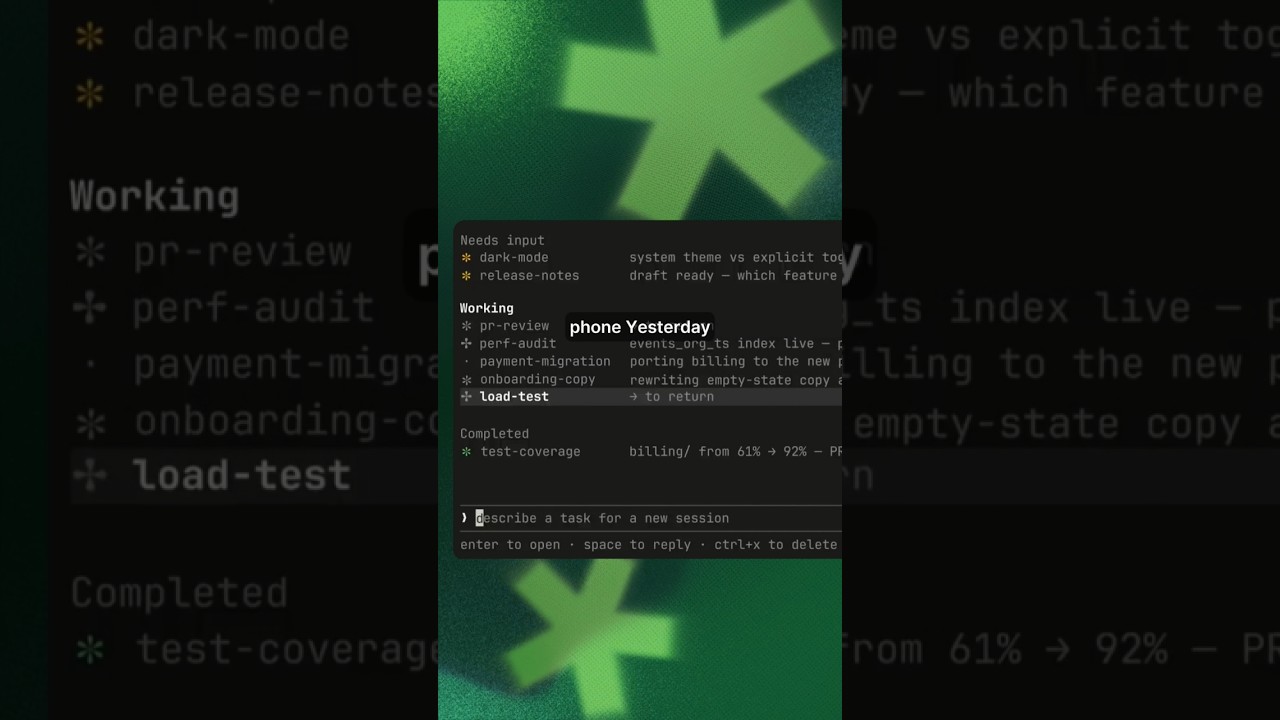
OpenAI has integrated Codex capabilities directly into the ChatGPT mobile app, enabling developers to write, review, and manage code from their smartphones. This move represents a significant shift in how developers can interact with AI coding assistants, breaking free from desktop-only workflows. The integration allows users to monitor coding tasks in real time regardless of their physical location.

Real-Time Control Across Devices

The new feature enables developers to steer and approve coding tasks across multiple devices and remote environments simultaneously. Users can initiate a coding project on their desktop and seamlessly continue monitoring or adjusting it from their mobile device. This cross-platform functionality ensures developers maintain oversight of their AI-assisted coding projects without being tethered to a single workstation.

Implications for Remote Development

By making Codex accessible through mobile devices, OpenAI is addressing the growing demand for flexible development workflows in an increasingly remote work environment. Developers can now respond to urgent coding needs, review pull requests, or guide AI coding assistants while commuting or away from their primary workspace. This accessibility could fundamentally change how development teams collaborate and manage projects across distributed teams.
Watch video
Video thumbnail
Click to play

Frequently Asked Questions

What is Codex and how does it work on mobile?

Codex is OpenAI's AI system that translates natural language into code. Through the ChatGPT mobile app, users can now access Codex to write, monitor, and manage coding tasks from their smartphones, with full synchronization across devices.

Can I approve or reject code suggestions from my phone?

Yes, the mobile integration allows you to monitor coding tasks in real time and approve or steer them as needed. This gives you full control over AI-generated code even when you're away from your desktop.

Does this work with remote development environments?

Yes, the feature supports remote environments, allowing you to manage coding tasks across different setups. You can monitor and control Codex operations regardless of where your development environment is hosted.

↑ SWIPE FOR NEXT