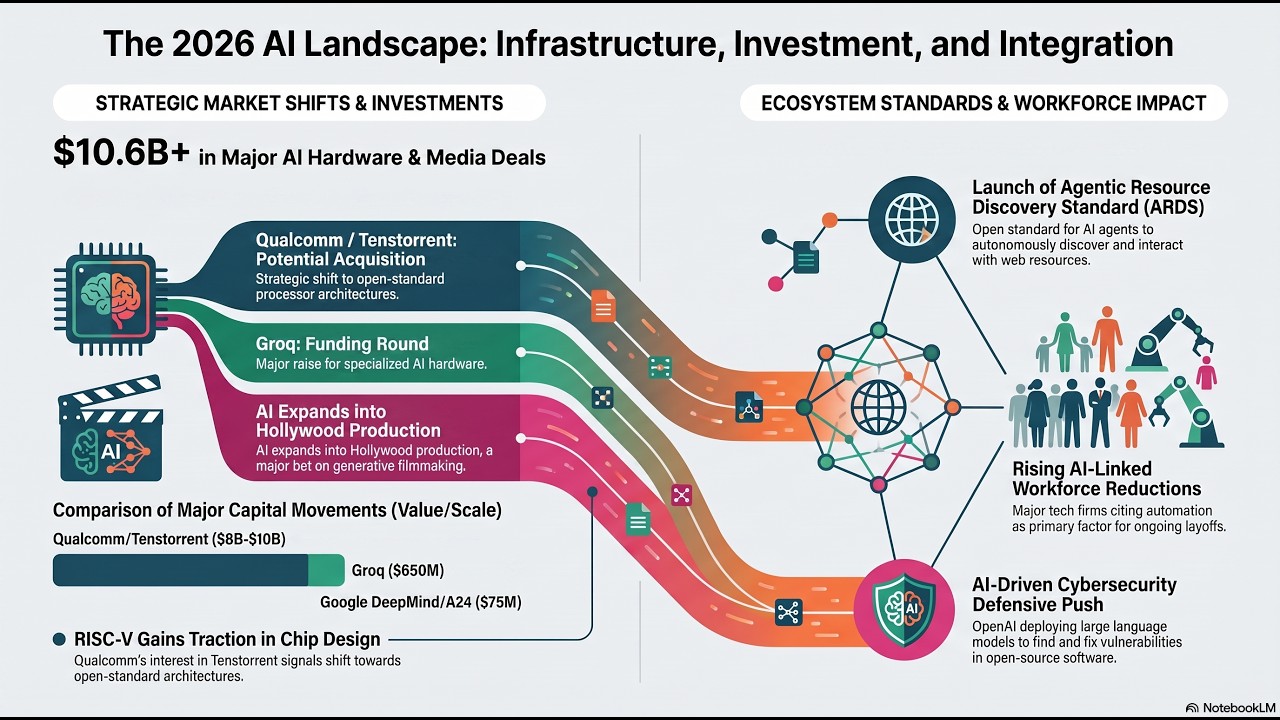
DeepMind and A24: The Deal
Google DeepMind and indie studio A24 have announced a research partnership. The details are thin — no specific projects, no money disclosed, no timeline. But the framing is clear: this is about exploring how generative AI can be used in film production. DeepMind brings its video generation models, including Veo and its successors. A24 brings its creative sensibility — the kind that produced 'Everything Everywhere All at Once' and 'The Whale'. The partnership is described as 'first-of-its-kind', which is code for 'we're figuring this out as we go'. Still, the combination of DeepMind's technical muscle and A24's artistic cachet is intriguing. The announcement came via a joint press release, with both sides emphasizing 'responsible exploration' and 'artistic integrity'.
Why This Partnership Exists Now
The timing isn't accidental. Hollywood is still reeling from last year's strikes, where AI was a central flashpoint. Studios have been quietly licensing AI tools for VFX and pre-visualization, but public partnerships between major AI labs and prestige studios are rare. A24 is a particularly interesting choice. They're known for director-driven, low-budget films that punch above their weight. They're not a VFX factory — they're a curator of human stories. That makes this partnership a test case: can AI tools enhance, rather than replace, the human elements of filmmaking? DeepMind has been pushing its video models for months, but they've lacked a credible creative partner. A24 gives them that. The subtext is that both sides want to avoid the backlash that hit OpenAI's Sora demos, which some artists dismissed as tech demo gloss.
What This Actually Means for Filmmaking
If you're a filmmaker, don't expect A24's next film to be AI-generated. That's not the point. The more plausible scenario is that DeepMind's tools get used in pre-production — storyboarding, concept art, location scouting visualizations. Think of it as a supercharged mood board. The real value might be in post-production: rotoscoping, background removal, color grading. These are tedious tasks that AI can genuinely accelerate. The risk is that the partnership becomes a PR exercise — a way for DeepMind to claim artistic legitimacy without actually changing how films are made. That said, A24's track record suggests they wouldn't sign a deal just for headlines. They've been quietly experimental with distribution and marketing. This feels like a genuine, if cautious, first step. The question is whether the tools are good enough to be useful, and whether the creative community will accept them.
The Hard Questions Nobody Is Answering
Several unknowns loom. First, what happens to the generated content? Does A24 own it? Does DeepMind get to use it for training? The press release is silent on IP. Second, how will A24's directors react? The studio's brand is built on human authorship. If a director like Ari Aster or the Safdie brothers says no thanks, the partnership collapses internally. Third, can DeepMind's models actually handle narrative coherence? Current video generation struggles with long-form storytelling — characters change appearance, objects vanish. A 90-minute film is a different beast than a 10-second clip. Fourth, what about the broader industry response? If this partnership works, expect a flood of similar deals — and a backlash from unions. Finally, there's the ethical question: should we be normalizing AI in an industry already struggling with labor issues? DeepMind and A24 are betting that responsible exploration can coexist with artistic integrity. That's a bet worth watching.